Across cultures, sweets often share similar shapes and serving styles despite different ingredients and traditions. Explore fudge, Japanese yokan, Turkish delight, and Indian besan barfi, discovering how simple pieces connect culinary traditions around the world.
Disclosure: As an Amazon Associate, we earn from qualifying purchases made through the links in this article.
Across different parts of the world, sweets can look surprisingly similar.
The ingredients may differ, and each sweet has its own place in its culinary tradition. Yet some share a familiar way of being prepared and served: made as a larger piece, then cut into smaller ones.
Squares.
Diamonds.
Slices.
Small pieces.
From beans and flour to nuts and sugar, the ingredients vary just as much as the traditions behind them.
Here are a few examples from around the world, brought together to explore their shapes, textures, and the simple ways they are served.
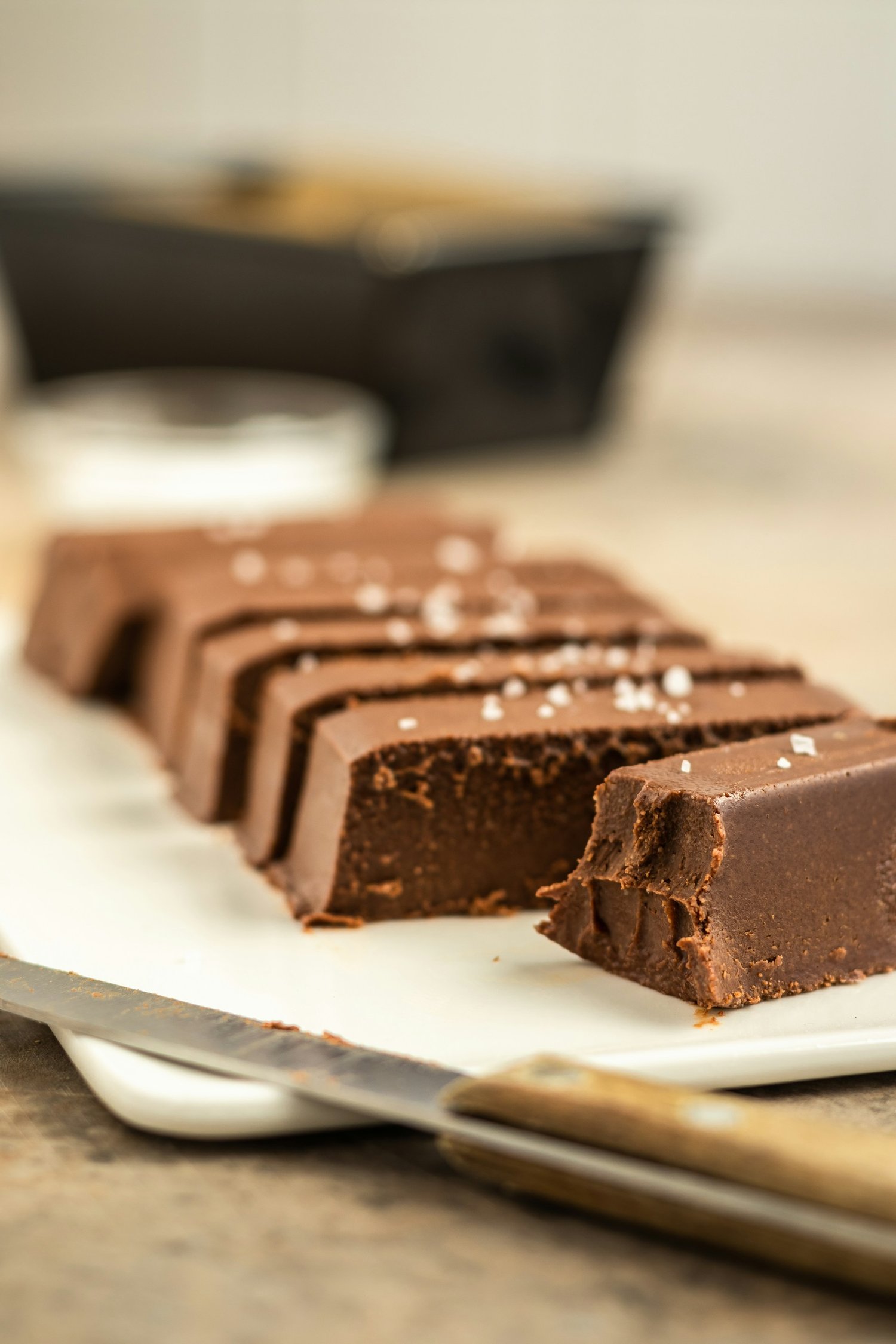
Fudge
American fudge is rich, sweet, and dense, typically made with sugar, butter, and milk or cream.
Often chocolate-flavored, it is commonly set in a pan, made into a block, and cut into small pieces.
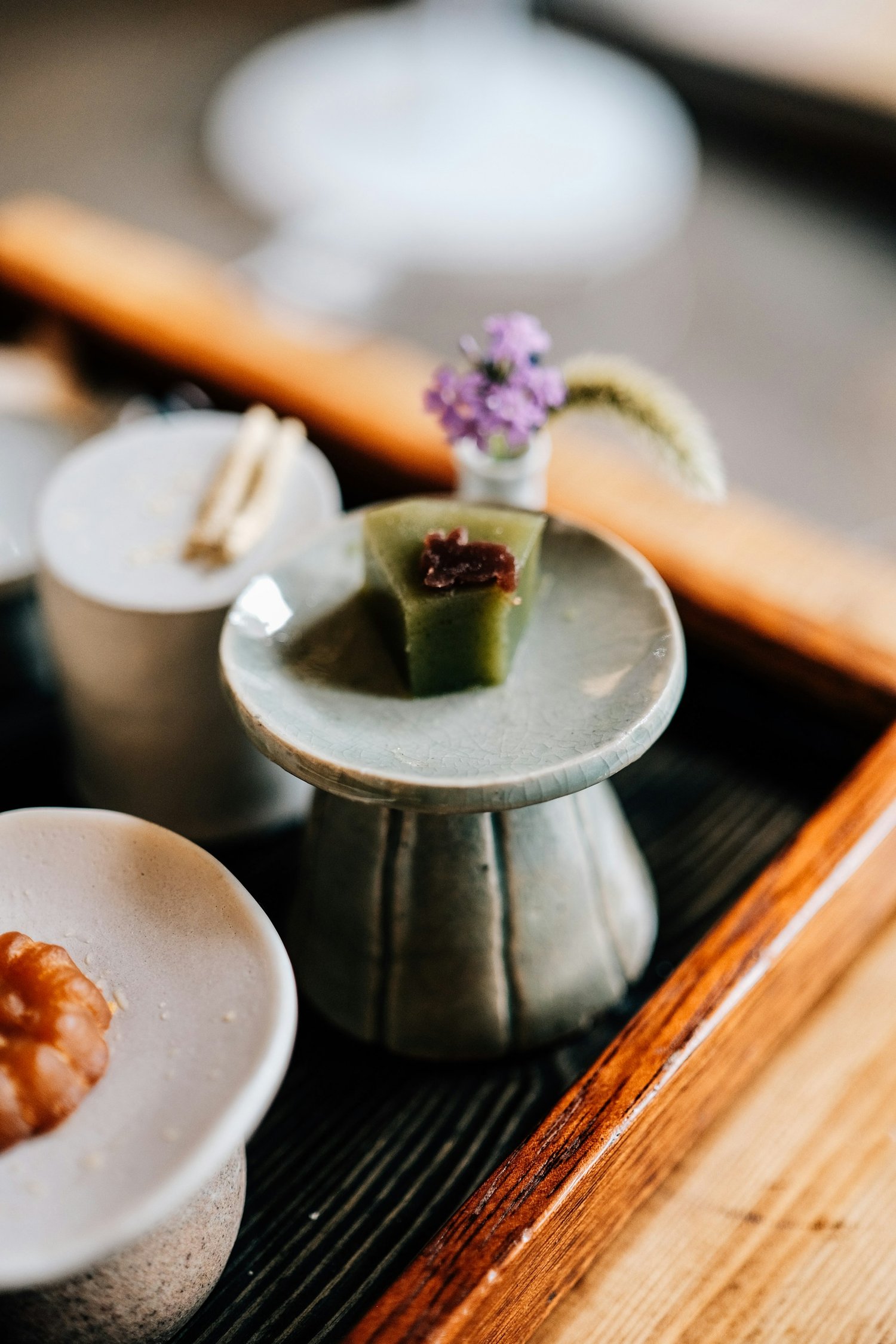
Yokan
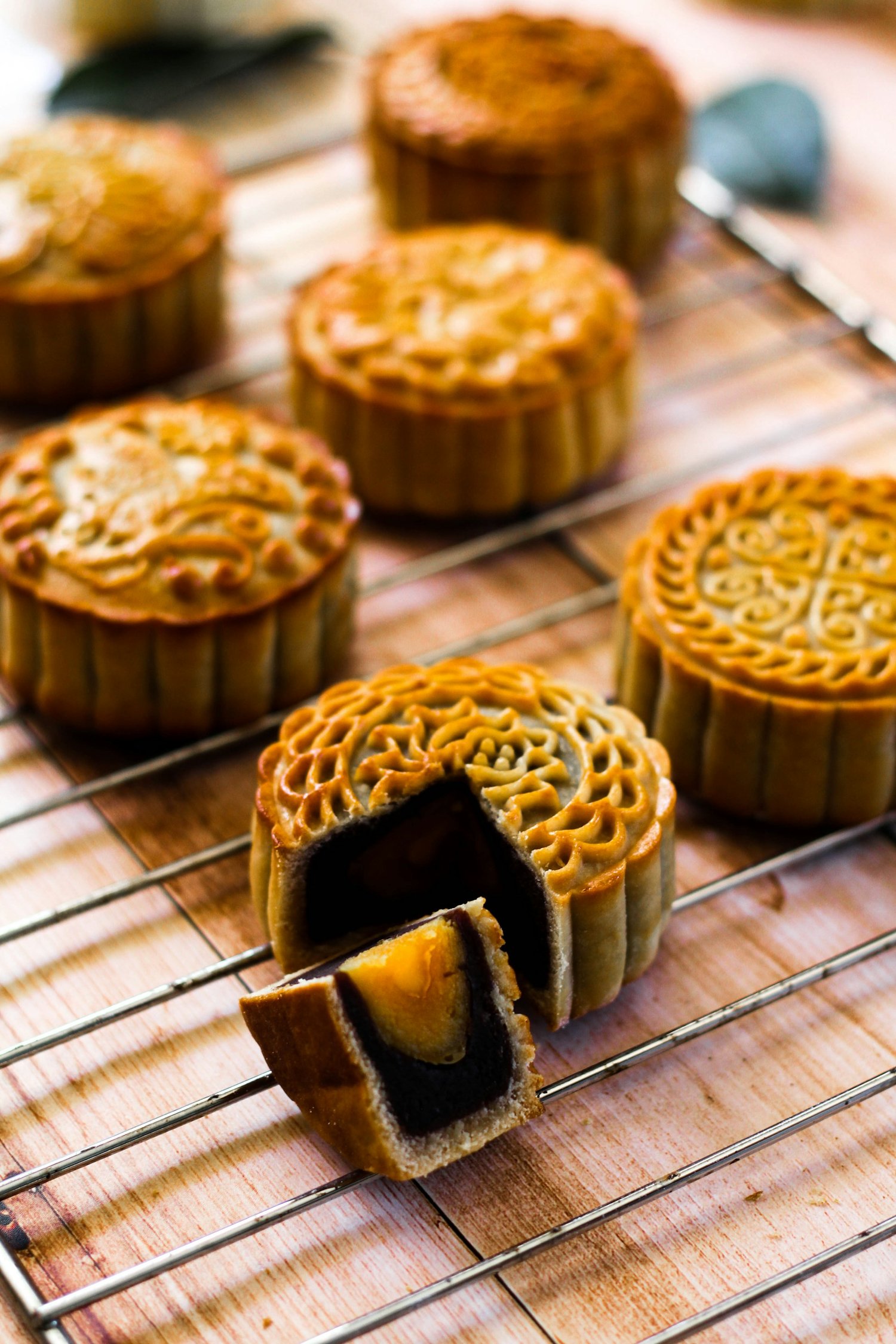
In Japan, yokan is a traditional confection often made with sweet bean paste, sugar, and agar.
It is commonly prepared as a larger block and sliced before serving, creating neat, firm pieces.
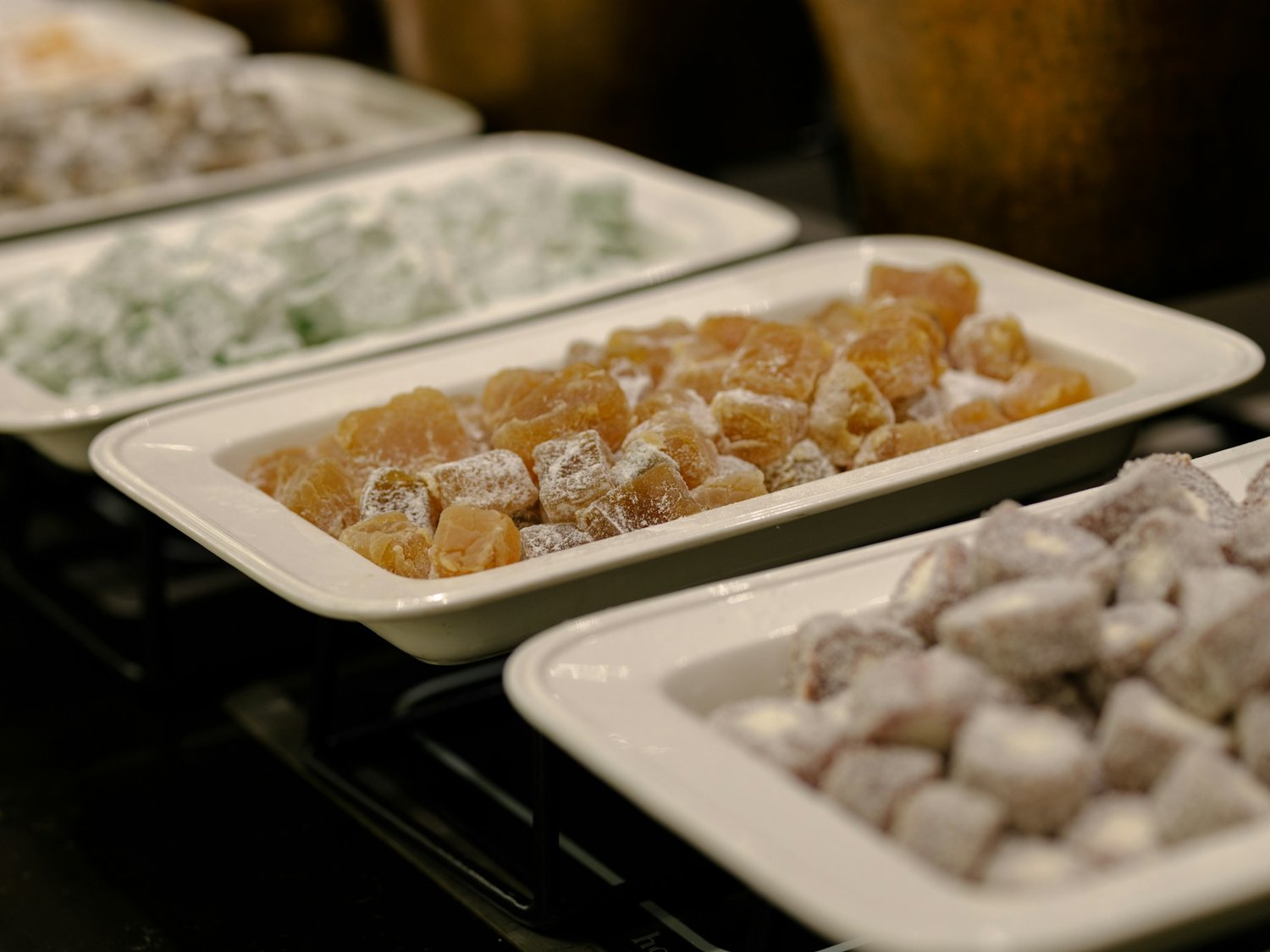
Turkish Delight
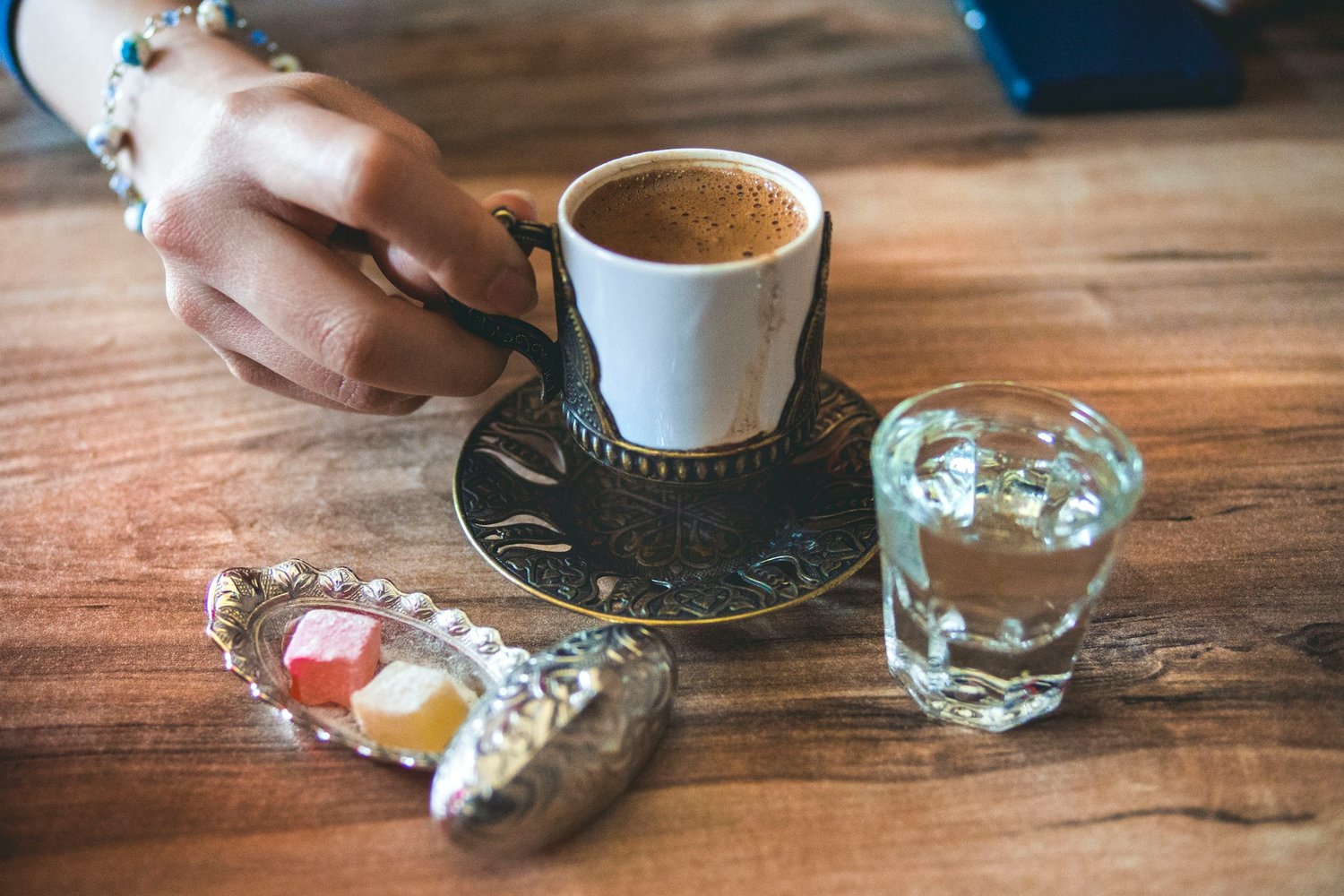
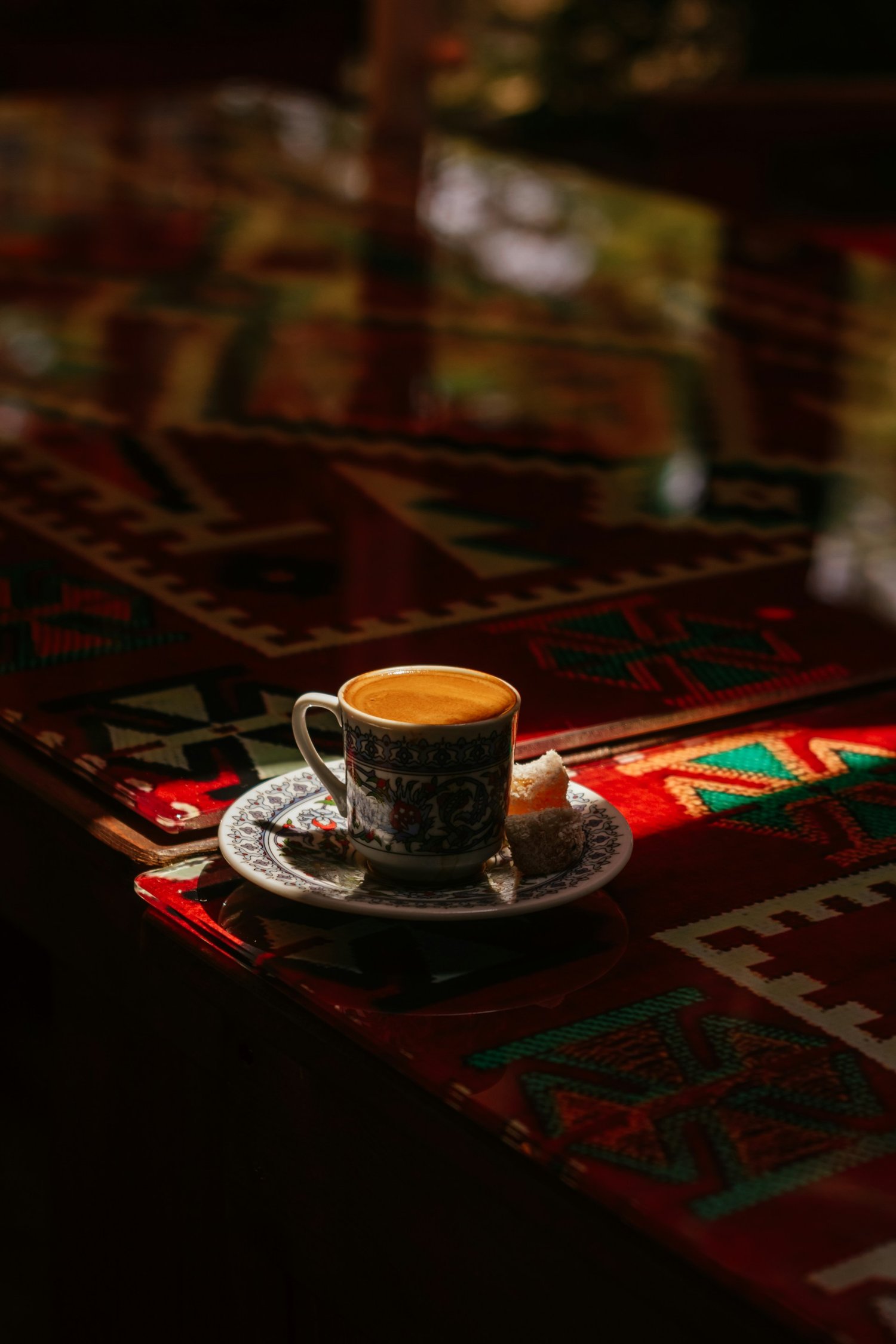
In Türkiye, lokum, often known as Turkish delight, is made primarily from sugar and starch.
Its soft, chewy texture comes in many varieties, with flavors and additions that can include rosewater, citrus, and nuts.
It is often cut into small pieces and may be served alongside Turkish coffee or tea.
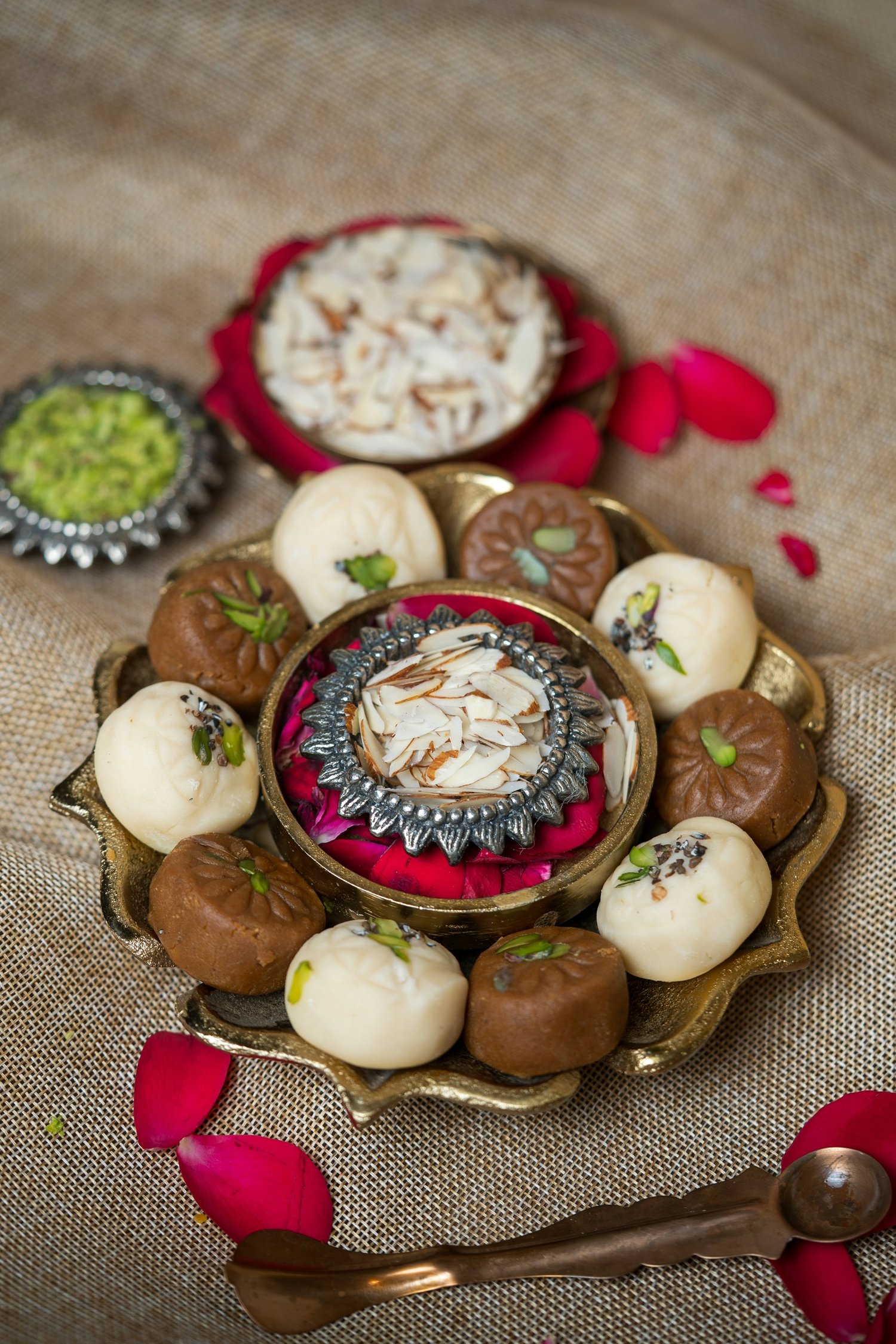
Besan Barfi
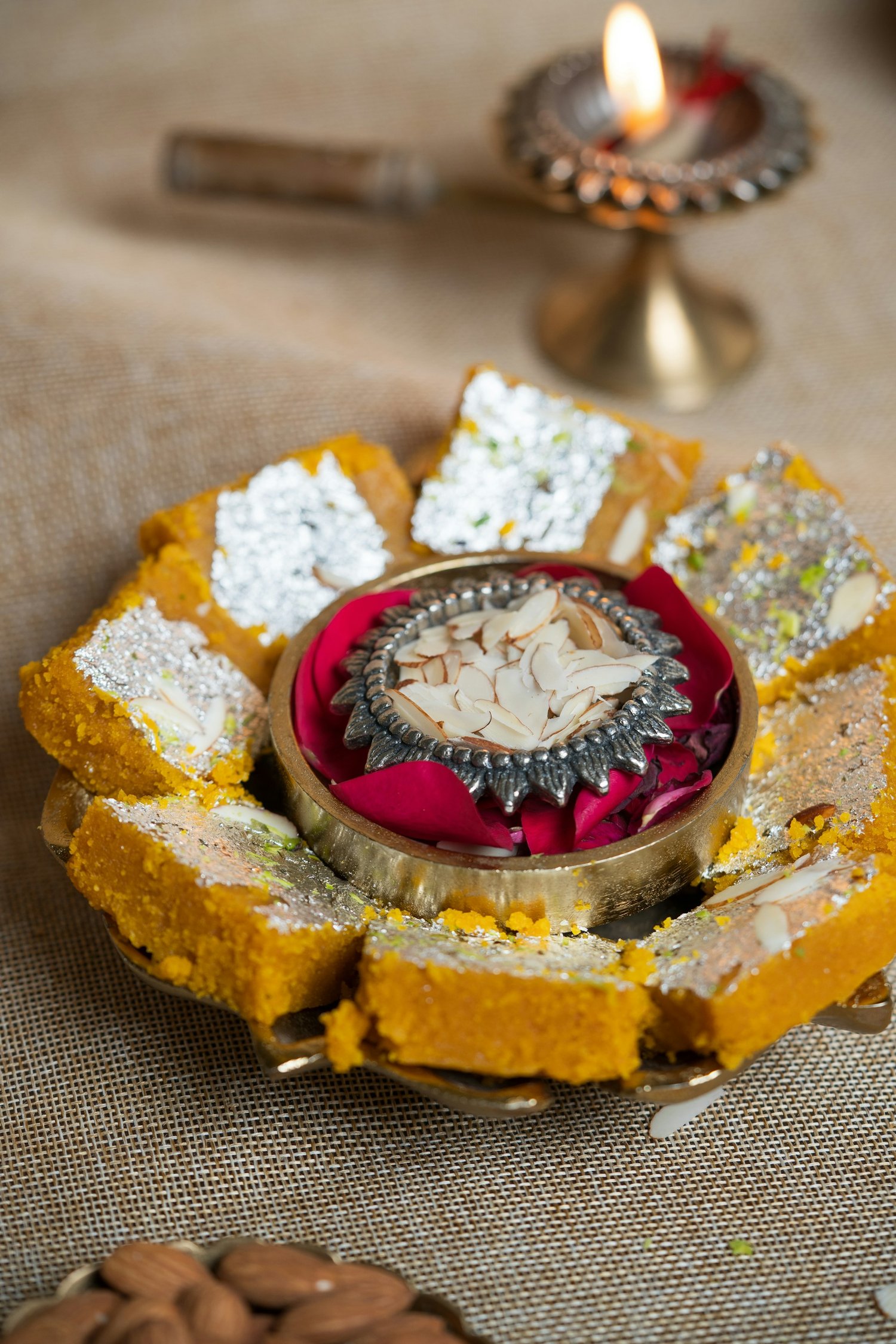
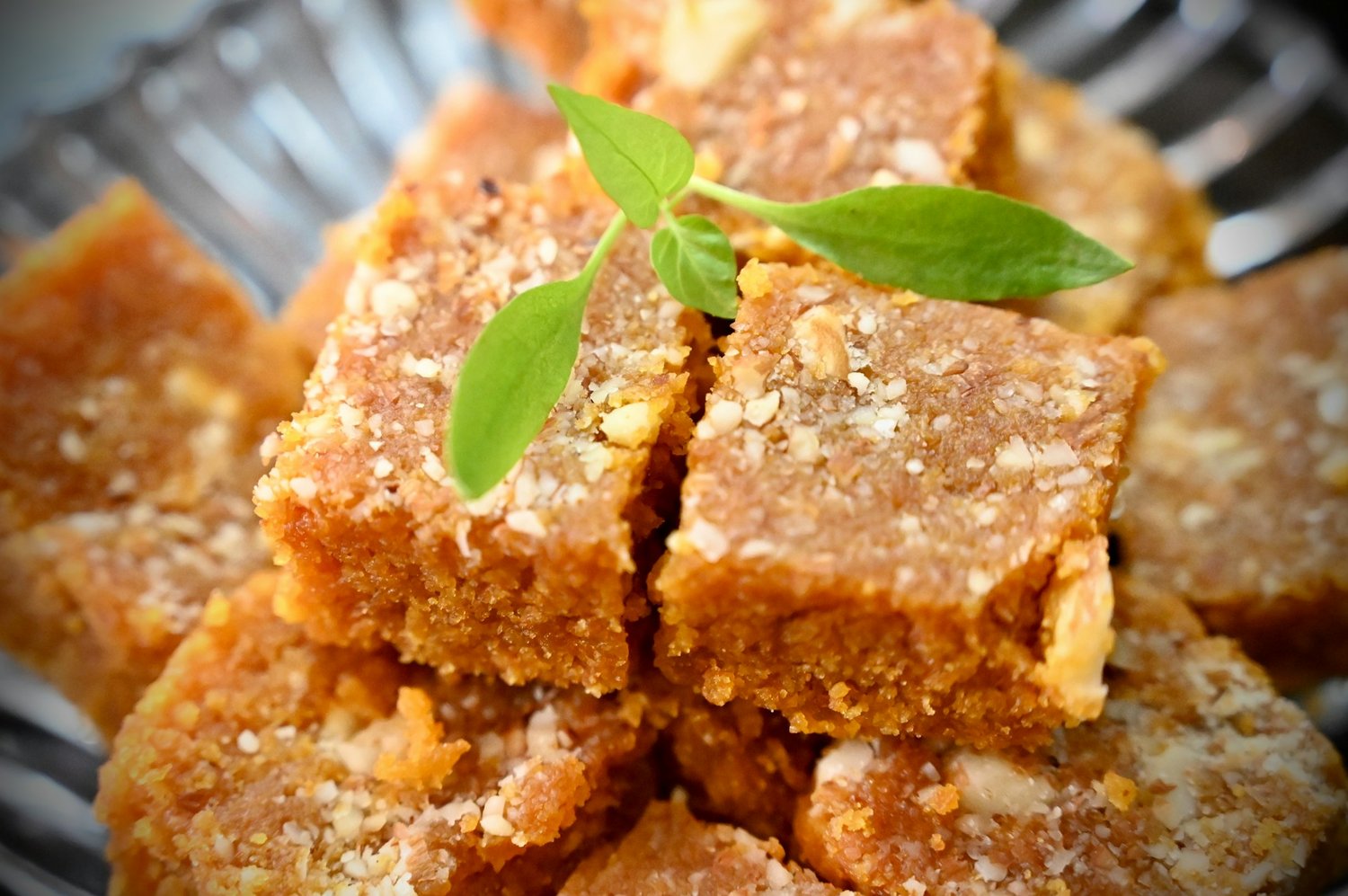
India offers another example: besan barfi.
Made primarily from gram flour, sugar, and ghee, it has a dense and rich texture.
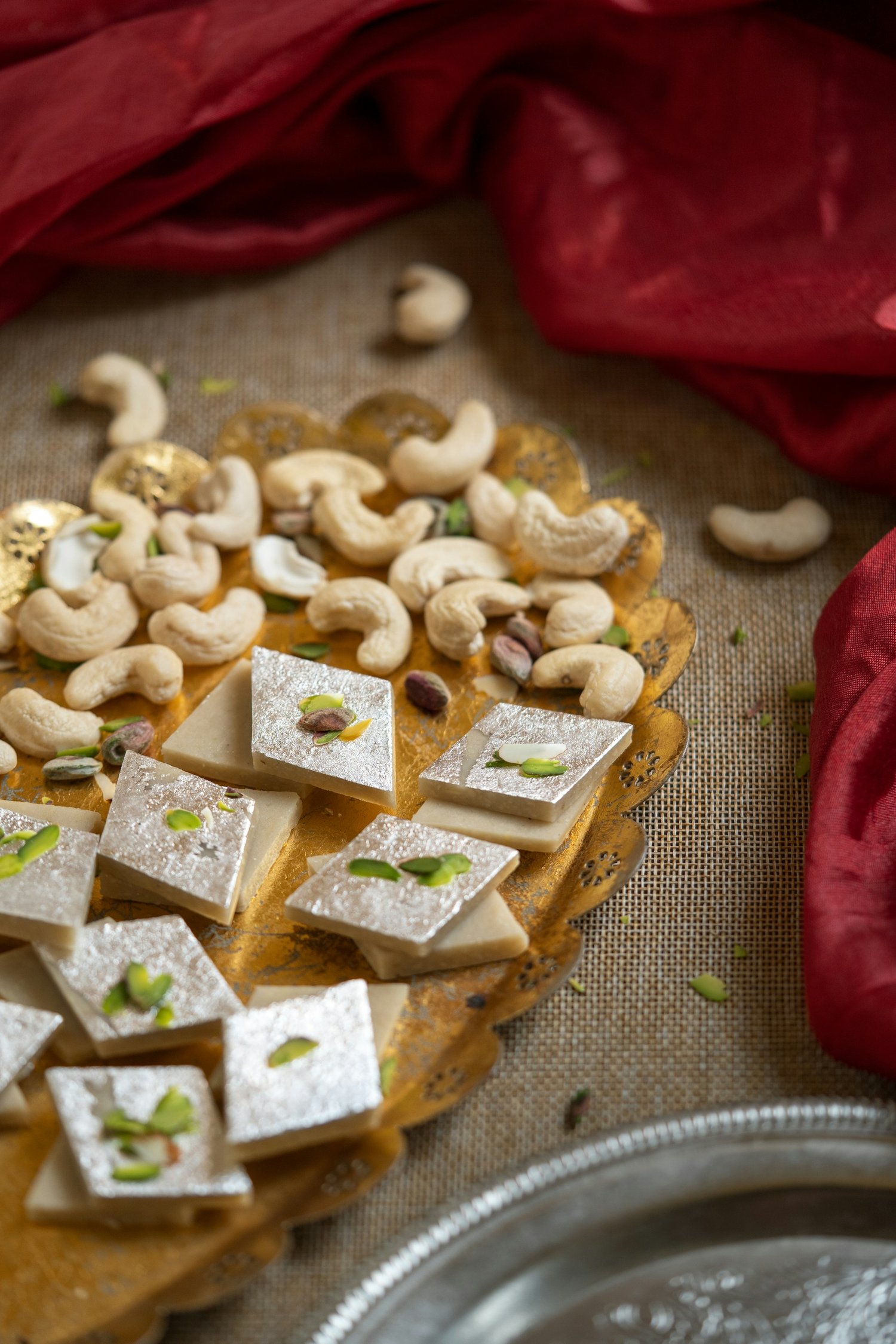
It is typically prepared as a larger slab and cut into smaller pieces, often squares or diamonds, before serving.
Different Places, Small Pieces
Fudge.
Yokan.
Lokum.
Besan barfi.
They come from different culinary traditions and use very different ingredients.
Yet there is a simple visual connection between them.
A larger piece becomes many smaller ones.
A block becomes a slice.
A slab becomes a square or diamond.
The ingredients may change.
The textures may change.
The traditions may change.
But around the world, sweetness can take surprisingly similar forms.
Sometimes, it is simply a small piece of something made to be shared.
Explore Sweets from Around the World
Curious to discover more sweets from different culinary traditions?
From Turkish delight and delicate chocolates to crisp wafers and other sweet treats, these selections offer more ways to explore the flavors and textures found around the world.
A Few Sweet Finds
- Turkish Delights: Hafiz Mustafa 1864
- French & Belgian Chocolates: La Maison du Chocolat / Neuhaus
- Italian Chocolates & Wafers: Amedei / Venchi
- British Treats: Fortnum & Mason / Cartwright & Butler / Charbonnel et Walker