
A weekend trip can be a simple way to step away from your usual routine.
But when there are only two or three days, it can be tempting to fill every hour with places to see, restaurants to try, and activities to fit in.
Before long, a relaxing getaway can start to feel like another schedule to manage.
There is no single right way to plan a short trip. Some travelers enjoy having a detailed itinerary, while others prefer to leave more of the day open.
A little planning can help make the most of limited time, while a little flexibility can leave room for unexpected moments along the way.

Start With One or Two Must-See Places
A short trip doesn't necessarily need a long list of destinations.
Instead, it can help to think about what would make the trip feel worthwhile.
Is there one museum you have always wanted to visit?
A neighborhood you've been curious about?
A landmark you don't want to miss?
Choosing one or two priorities can give your trip a sense of direction without turning the entire weekend into a checklist. Everything else can be built around those priorities.
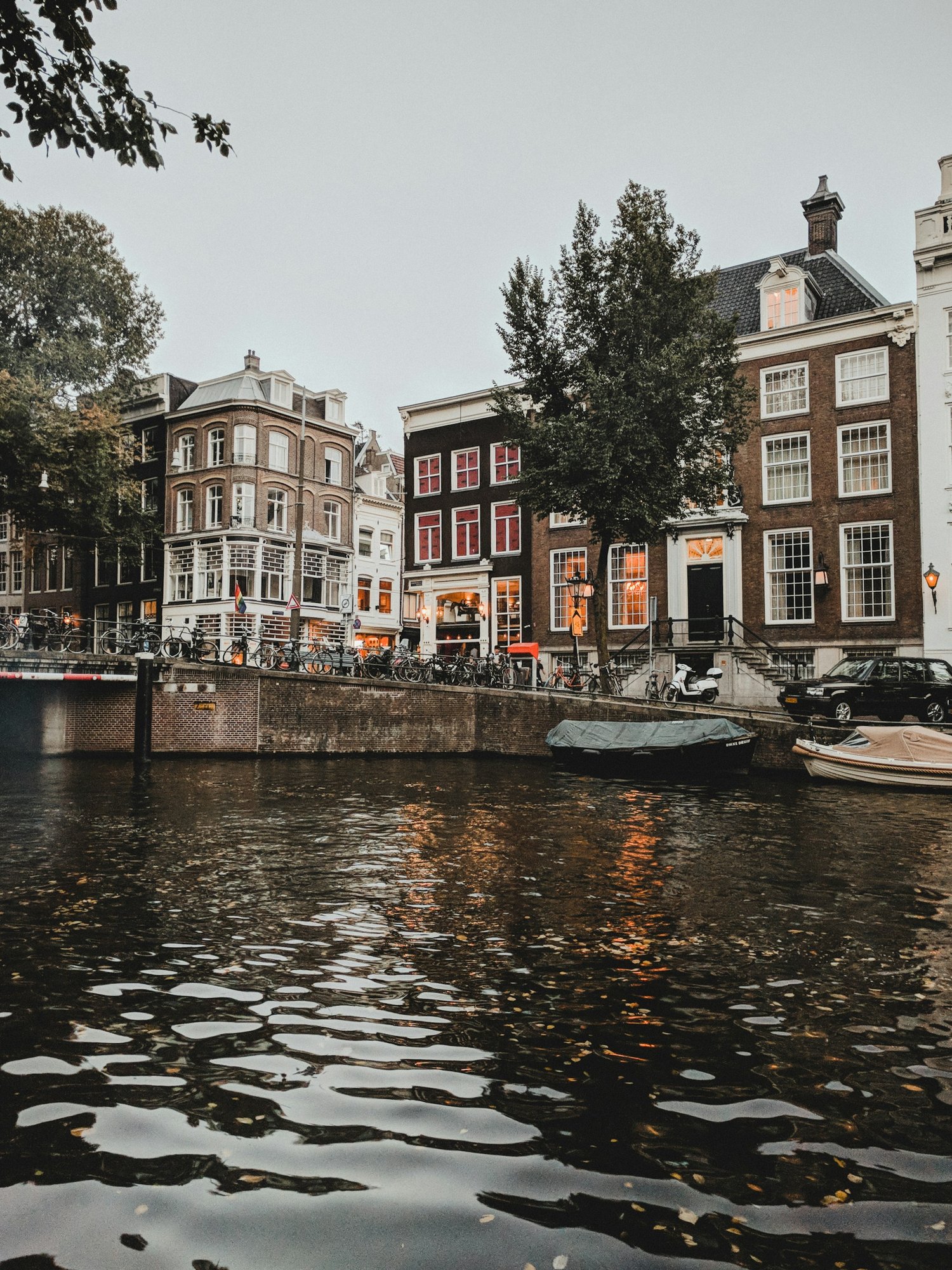
Build Your Weekend Around Location
Once you know what you want to see, take a look at where everything is.
A little geographical planning can save a surprising amount of time.
If several places are in the same neighborhood, consider visiting them together rather than crossing the city multiple times.
When planning your route, it can help to consider:
- How far is your hotel from the places you want to visit?
- Can several activities be combined in one area?
- How will you get from one place to another?
- How much time will transportation actually take?
Sometimes, choosing a convenient location can make a bigger difference than adding another attraction to your itinerary.
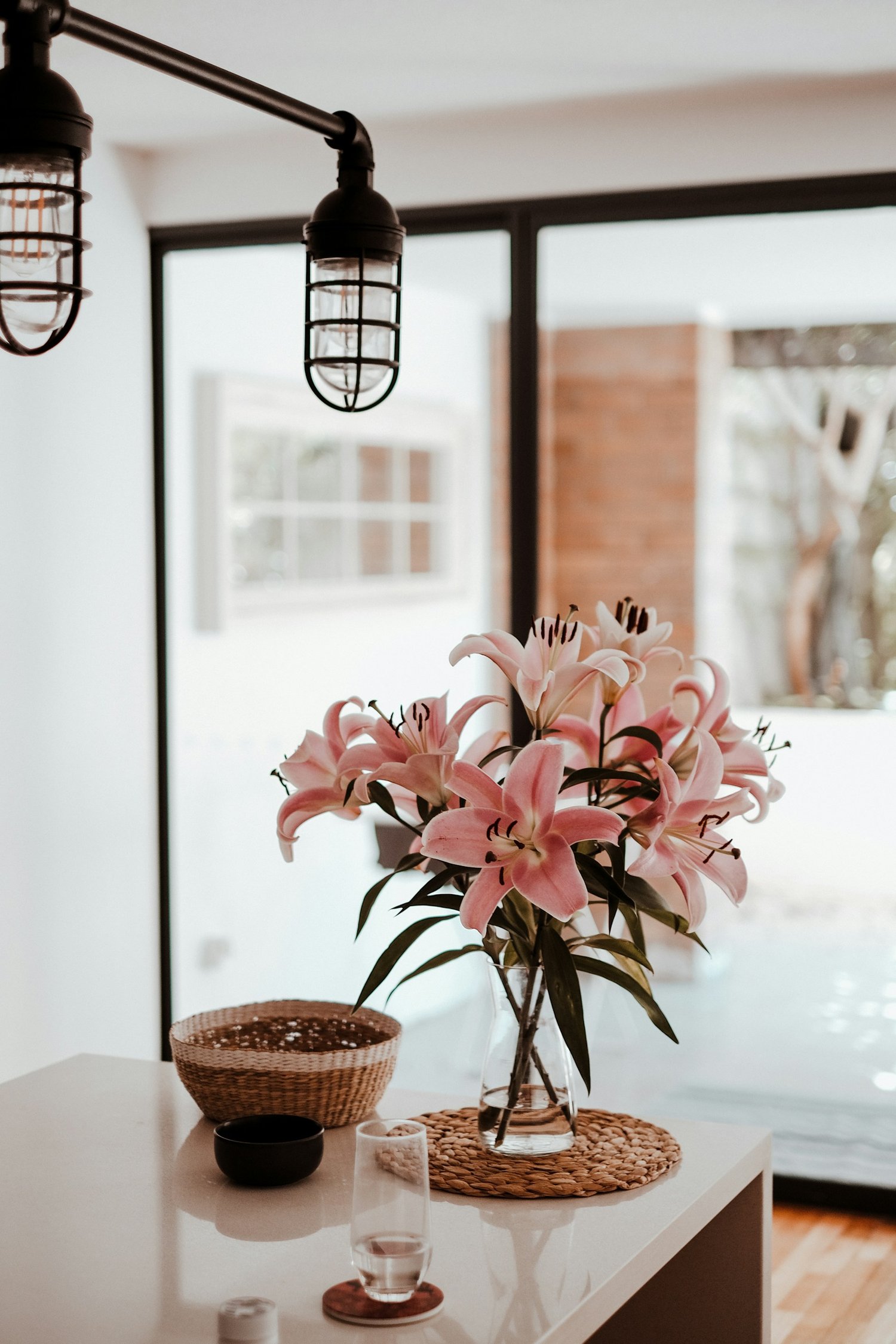
Reserve What Actually Needs a Reservation
Not everything needs to be booked in advance.
Depending on the destination, some experiences may be easier to enjoy when reserved ahead of time, particularly when availability is limited.
These might include:
- Popular restaurants
- Tours and guided experiences
- Museums with timed entry
- Special events
- Transportation
For everything else, leaving some flexibility can make it easier to adjust your plans as the weekend unfolds.
You might discover a place you hadn't expected to visit, or simply decide to spend a little longer somewhere you enjoy.
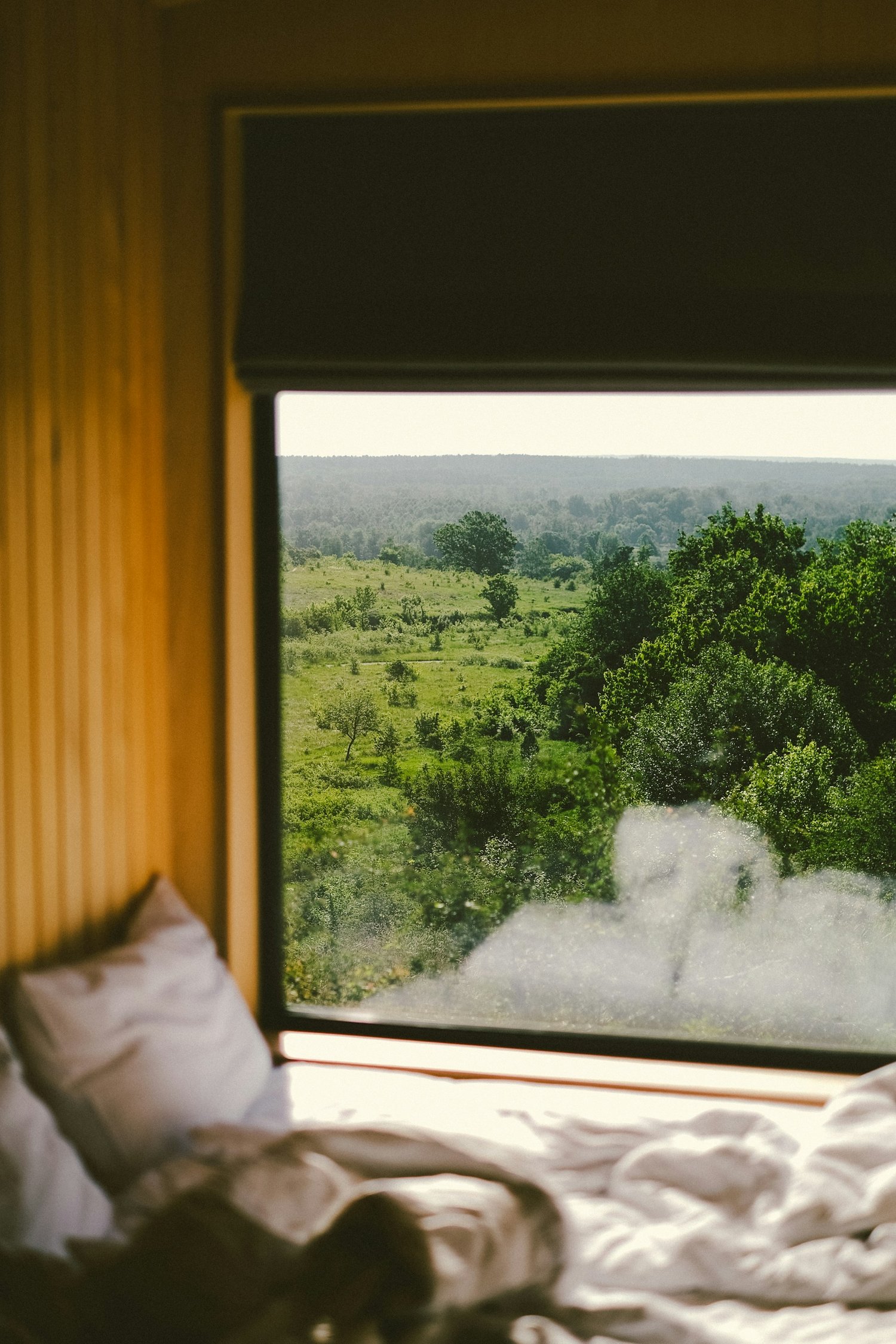
Leave Some Room for the Unexpected
Leaving some time open can make it easier to follow your curiosity when something catches your attention.
You might come across a café that looks inviting, spend longer than expected in a museum, or find yourself enjoying a neighborhood you hadn't planned to explore.
You may also decide that you've had enough for the day and head back to the hotel.
These moments may not have been part of the original plan, but they can become part of what makes the trip memorable.
Leaving some room in the itinerary simply gives you the option to decide as you go.

Keep Travel Time in Mind
A destination may look close on the map, but getting there can take more time than expected.
A short walk can become longer with a child, luggage, or a busy street. Parking, waiting for public transportation, and transfers can also add time to the day.
When you have only a weekend, those small stretches of travel time can make a difference.
Grouping nearby places together can make the day feel less rushed and leave more time to enjoy each stop.

Protect Some Free Time
Free time can easily look like unused time when planning a short trip.
But it can also create space for the parts of a journey that cannot be scheduled.
A slow breakfast.
A walk without a destination.
A coffee break.
A little time by the hotel window.
Even a few unplanned hours can change the rhythm of a weekend.
How much free time makes sense will depend on the destination and the people you're traveling with.
The important part may simply be leaving enough room to choose in the moment.

One Way to Structure a Weekend
A simple outline can help you see how much time you actually have without planning every hour.
Friday evening
Arrive, check in, and settle in. Depending on your arrival time, dinner nearby may be all you need for the first evening.
Saturday
Choose one or two places you'd especially like to see, then leave some room around them. You might spend the afternoon exploring the neighborhood, stopping somewhere that catches your attention, or simply taking a break.
Sunday
Keep one final activity or area in mind, while leaving enough time for lunch, packing, and the journey home.
The details can change from one trip to another. What matters is having a general sense of how you want to spend your time without deciding every moment in advance.

A Little Structure, A Little Flexibility
Planning can make a short trip easier to navigate.
It can help with reservations, transportation, hotel location, and deciding which places matter most to you.
At the same time, leaving some room in the schedule can create opportunities to explore at your own pace.
Some travelers may prefer knowing exactly what comes next.
Others may enjoy having a general plan and deciding the details along the way.
Neither approach needs to be the same for every trip.
The balance may simply depend on the destination, the people you're traveling with, and what you hope to get from the weekend.
A little planning can take care of the essentials.
A little flexibility can leave room for everything else.