

How Ancient Mesopotamian Wisdom Found a Unique Home in Japan
In today's digital landscape, one of the most distinctive features of Japanese society is the continued reliance on the "Hanko" (personal seal). Whether finalizing a contract or opening a bank account, the practice of using a physical stamp instead of a handwritten signature is a unique cultural trait found today primarily in a few regions, such as Japan, South Korea, and Taiwan.
While much of the world has transitioned to digital authentication, Japan’s preservation of this system offers a fascinating historical perspective. If we trace its origins, we find a grand narrative that arguably begins over 5,000 years ago in Ancient Mesopotamia.
1. Authentication as a Pillar of Civilization
In the Mesopotamian region (modern-day Middle East)—one of the cradles of civilization—it is believed that a sophisticated system of authentication was already in use by around 3,500 BCE. A key symbol of this was the "Cylinder Seal."
These were small stone cylinders engraved with intricate patterns. When rolled across wet clay, they left a unique impression. Rather than being mere ornaments, they are considered to have been inspired solutions born from a fundamental human need: to give "trust" a tangible form. They allowed people to visibly honor their agreements and safeguard their belongings—a remarkable innovation from the ancient world.
2. West and East: Divergent Manifestations of Trust
The concept of the "seal" born in the Middle East spread globally, evolving in diverse ways to fit the social structures of different regions.
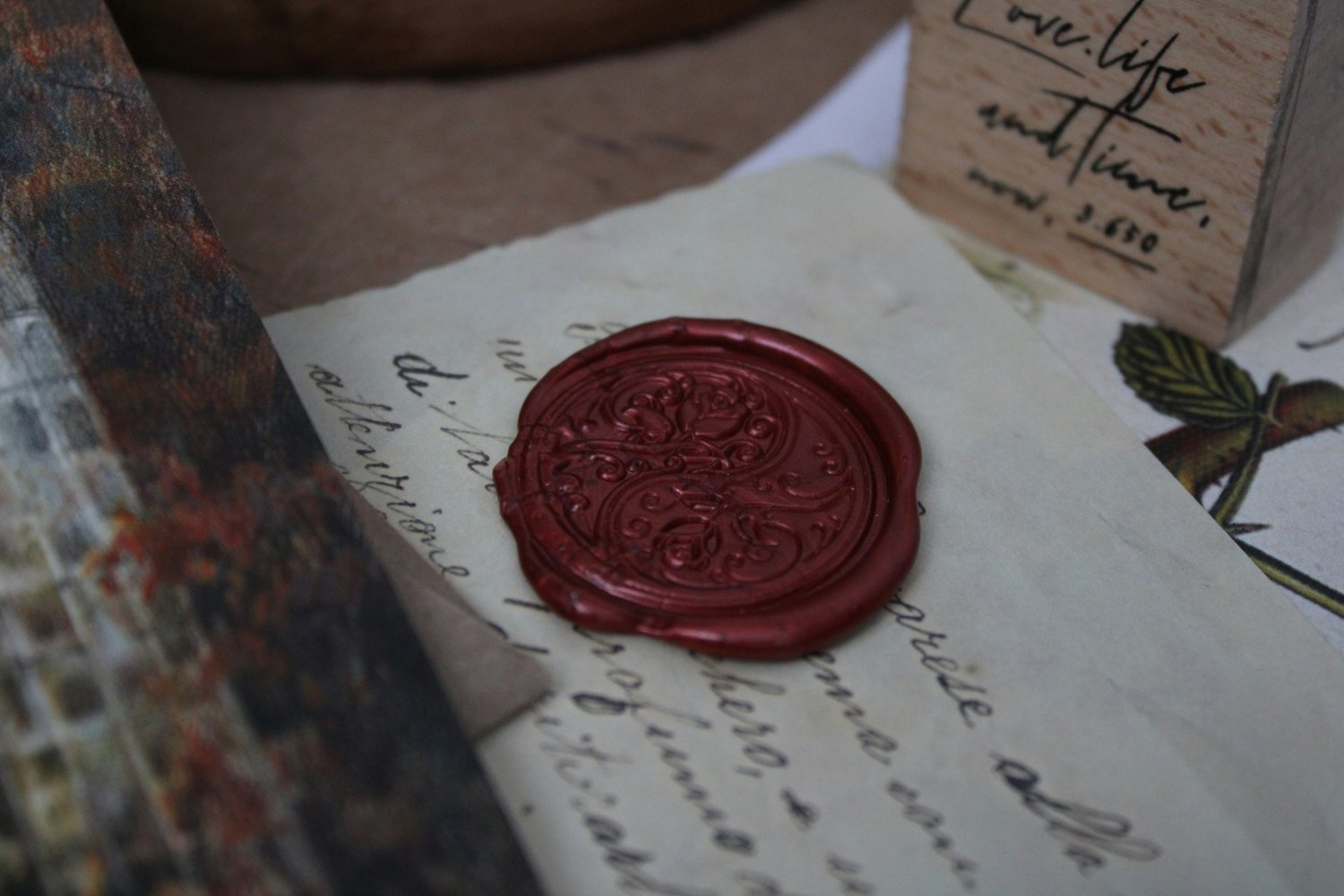
- The Western Path (The Signet Ring): In Europe, the "Signet Ring" became the standard. During the Middle Ages, pressing one's ring into molten sealing wax was the primary method of personal authentication before handwritten signatures became widespread with the rise of paper.
- The Eastern Path (Seal Culture): Traveling via the Silk Road, seal culture reached East Asia. It evolved in tandem with the administrative systems of China and the Korean Peninsula before reaching Japan, where it was refined into a highly organized system that remains active today.
3. Japan as a Steward of Global Innovation
While the Japanese Hanko is often discussed as a "unique local tradition," a broader historical perspective suggests it is a modern destination for the ancient Mesopotamian ideal of "leaving a permanent physical record." As the world moves toward digital-only interactions, the fact that Japan preserves this physical format stands as a fascinating case of how ancient global innovations continue to live on in modified forms.
4. Broadening Our Perspective through Shared History
Recognizing that our "everyday" customs are often layered with the long history and ingenuity of other civilizations—particularly those in the Middle East—offers a meaningful step toward a truly global perspective.
Instead of viewing a single custom solely as one's own national culture, we can consider the possibility that it has been shaped by the influences of diverse cultures and traditions over thousands of years. Embracing this broader context allows us to approach any new environment with an open mind and a genuine interest in the roots that shape our shared world.
Strategic Insights for Global Professionals
Fresh Hibiscus LLC provides expert guidance in cross-cultural communication, career development, and operational strategy between Japan and the U.S. Backed by MBA expertise, we help you transform cultural complexities into clear, actionable opportunities.
Need a "Soft Landing" or direct advisory? We offer discreet, on-demand consultancy and private sessions tailored to your professional needs.
Reach us via: Contact Form
Direct Email: info@freshhibiscus.com
Helping you focus on your core mission while we navigate the complexities.
何気なく使っている印鑑に宿る、メソポタミア文明の「信頼の形」
現代のデジタル社会において、日本には世界でもあまり例を見ないほど「ハンコ(印鑑)」という物理的な道具が深く根付いています。家を買う、銀行口座を開く、あるいは重要な公文書を作成する際、サインではなく「印(しるし)」を押し当てるこの慣習は、現在では日本や韓国、台湾など、ごく限られた地域で見られる独特の文化と言えるかもしれません。
では、なぜ日本は、世界の多くがサインやデジタル認証へと移行する中で、このシステムを維持し続けてきたのでしょうか。その背景をたどっていくと、実は5000年以上前のメソポタミア文明にまで遡るとも言われる、壮大な歴史の物語が見えてきます。
1. 文明の礎としての「認証」技術
人類最古の文明の一つとされるメソポタミア地域(現在の中東付近)では、紀元前3500年頃にはすでに、今日の認証システムにも通じるような仕組みが存在していたと考えられています。その象徴の一つが「円筒印章(Cylinder Seals)」です。
これは模様や文字が彫られた小さな石の円柱で、濡れた粘土板の上で転がすことで、固有の図像を連続的に浮かび上がらせる道具でした。単なる装飾品ではなく、大切な約束や持ち物の証拠を「目に見える形で残し、それを守り抜く」という、当時の人々の願いから生まれた知恵の結晶だったと考えられています。
2. 各地の風土に溶け込んだ「信頼のしるし」
こうした中東で生まれたと考えられる「印章」や「認証」の概念は、長い年月をかけて世界各地へ広がるなかで、地域ごとの社会構造や価値観に合わせて、多様な進化を遂げていったと考えられます。
- 西方への広がり(シグネットリング): ヨーロッパ方面では、持ち主の紋章を刻んだ「シグネットリング(指輪型印章)」が広く用いられるようになりました。中世において、手紙を封じる際に、溶かした蝋(シーリングワックス)の上に自らの指輪を押し当て、その印影によって「この文書が確かに本人の意思によるものである」ことを示す方法が一般的でした。
- 東方への広がり(印章文化): 一方、シルクロードなどの交流路を通じて東アジアにもたらされたと考えられる印章文化は、中国や朝鮮半島の制度と結びつきながら発展し、その流れの中で日本にも伝わっていったとされています。日本では、長い歴史の中で行政手続きや公文書において印章が使われるようになり、現在に至るまでその形式が一定の連続性を保ってきました。
3. 「信頼の記憶」をいまに伝える場所
今日、日本のハンコ文化はしばしば「日本独自の伝統」として語られます。しかし歴史の視野を少し広げてみると、それは古代メソポタミアをはじめとする中東地域で育まれた「確実な証拠を物理的に残す」という思想が、幾多の文明を経由しながら東アジアへと伝わり、その一つの形として日本で独自の歩みを遂げてきた結果、と捉えることもできるかもしれません。
世界の多くが利便性を求めてデジタル認証へと舵を切る中で、日本が今なお物理的な印章の形式を大切に保ち続けているという事実は、古代から続く知恵や思想が、時代に合わせて形を変えながら現代まで息づいている、興味深い一例と言えるでしょう。
4. 目の前の習慣から、世界の広がりを感じるということ
自分たちにとっては「当たり前」に思える習慣の背景に、中東をはじめとする他地域・他文明の長い歴史や創意工夫が折り重なっている——その可能性に目を向けることは、真にグローバルな視点を持つための豊かな一歩となります。
一つの慣習を自国の文化としてだけ見るのではなく、何千年もかけて世界各地の文化や慣習の影響を受けている可能性があることを考えてみること。 そうした多角的な視点を持つことが、新しい環境において、相手のルーツや背景に対しても自然な敬意を持って向き合うための、土台になっていくのかもしれません。