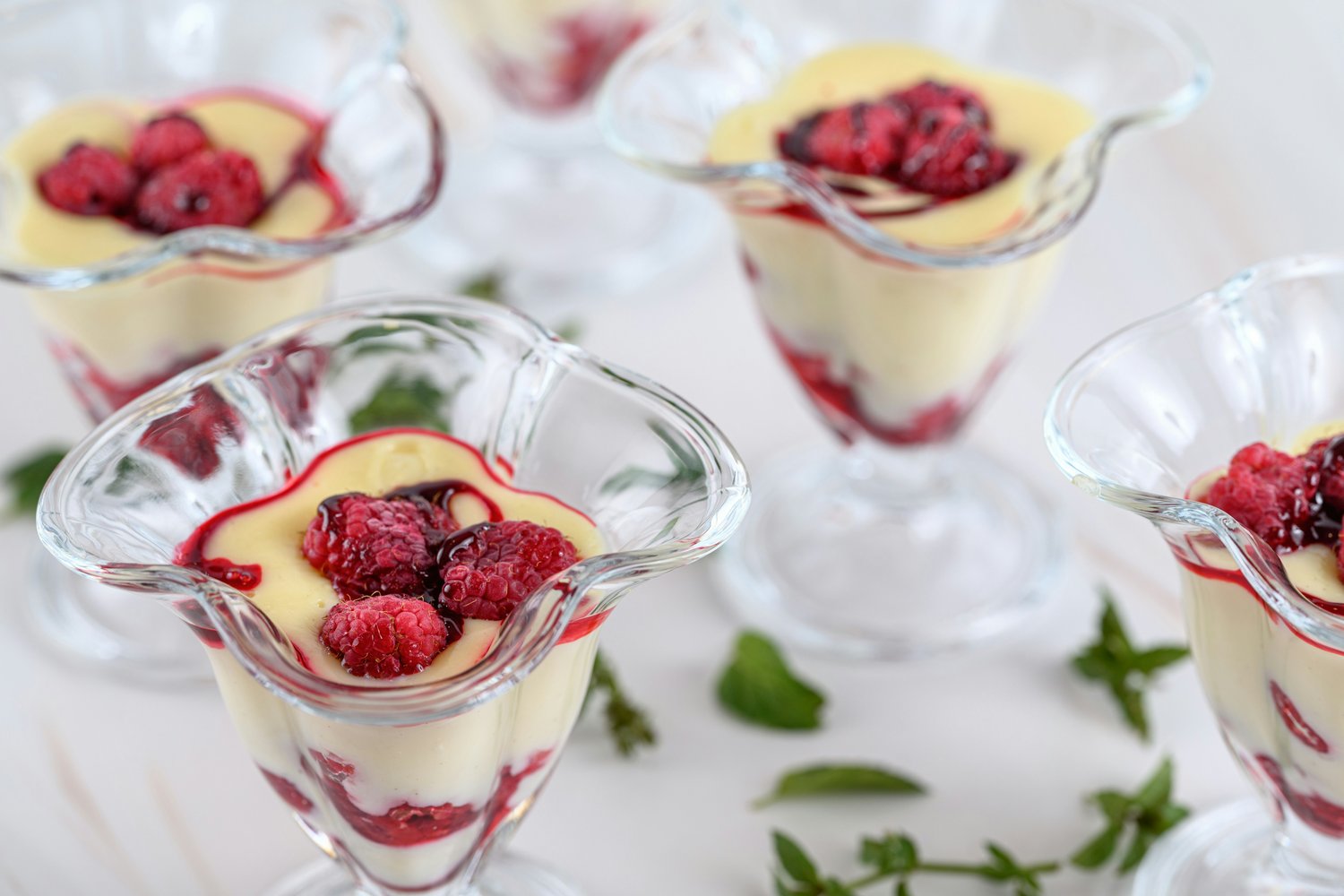
In professional contexts, clarity and precision are essential. However, even the most disciplined professional may find that culinary terminology can be surprisingly ambiguous across different regions. A prime example is the term "pudding." For a businessperson traveling between New York and Tokyo, ordering "pudding" can result in two fundamentally different experiences.
Understanding these nuances is more than a matter of taste; it is an exercise in observing how different cultures refine and define the concept of a "comfort dessert."
Structural Foundations and Ingredient Chemistry
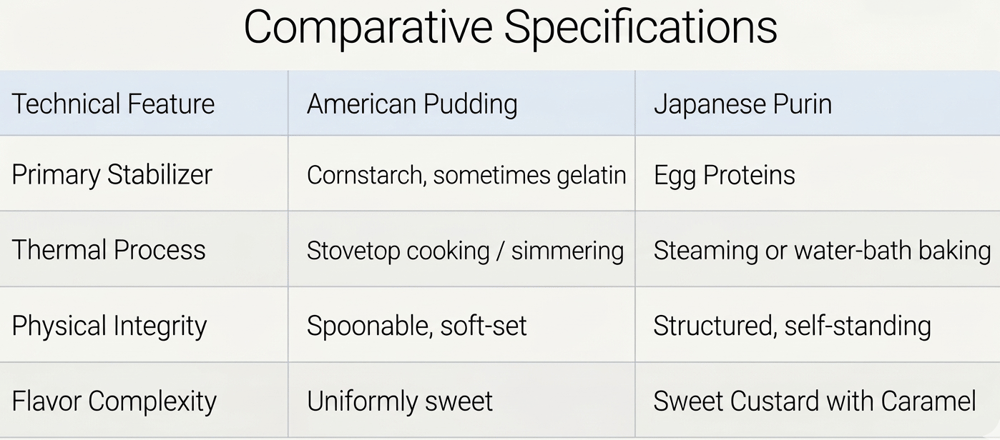
The most significant distinction lies in the stabilizing agents used to achieve the final consistency.
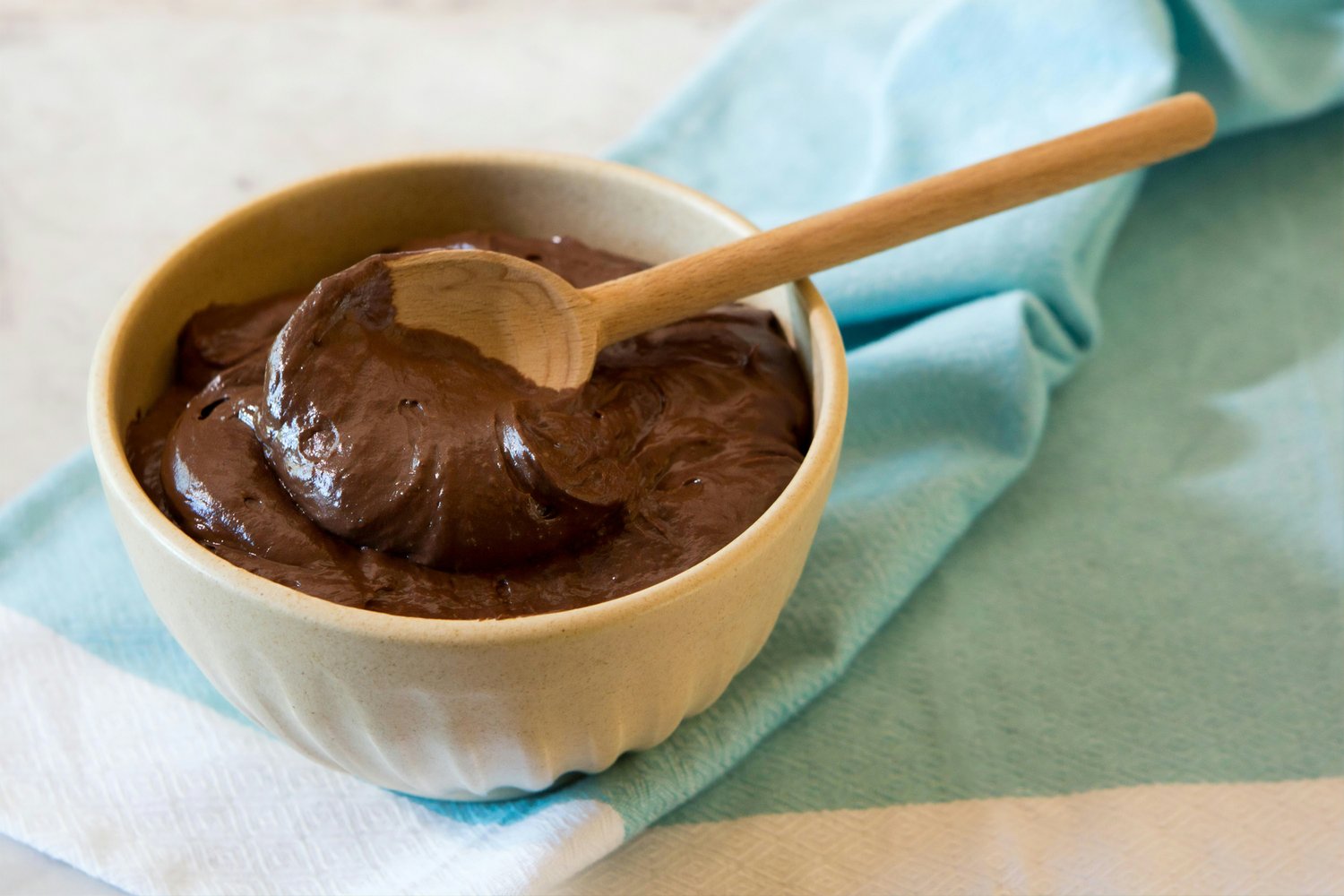
- American Pudding: This is categorized as a starch-thickened cream. The preparation typically involves simmering milk, sugar, and flavorings with cornstarch or flour. As the mixture heats, the starch granules swell and thicken the liquid, creating a viscous, semi-solid texture that remains soft and scoopable even after cooling.
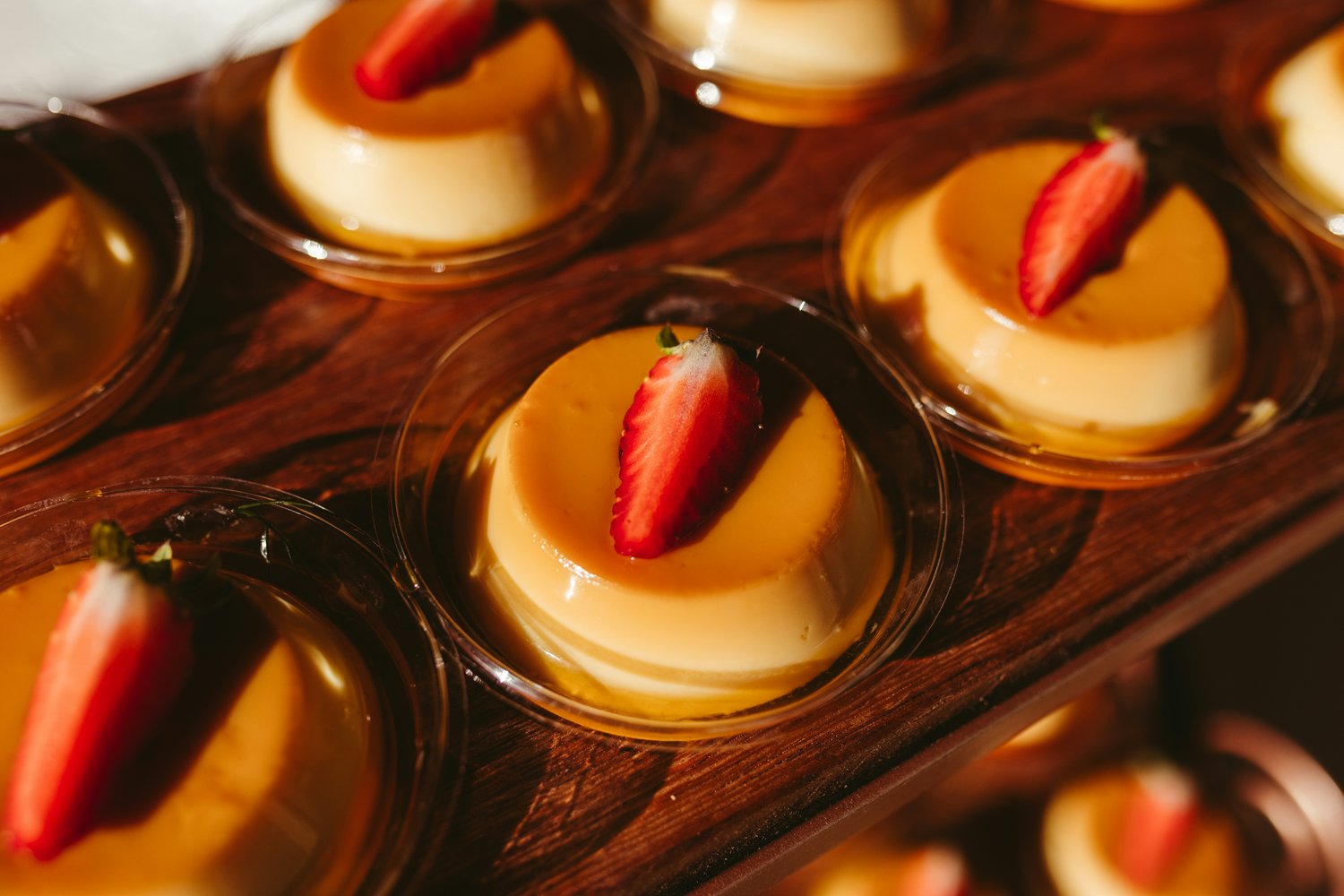
- Japanese Purin: This dessert is a baked or steamed egg custard. It relies on the thermal denaturation of egg proteins. When heated to a specific temperature, the proteins form a structural network that sets the liquid, resulting in a solid yet delicate gel. This allows the dessert to maintain its own weight when removed from a mold. (In the North American context, this structure aligns more closely with "Flan" or "Crème Caramel" rather than what is locally defined as "Pudding.")
The Role of the Caramel Interface
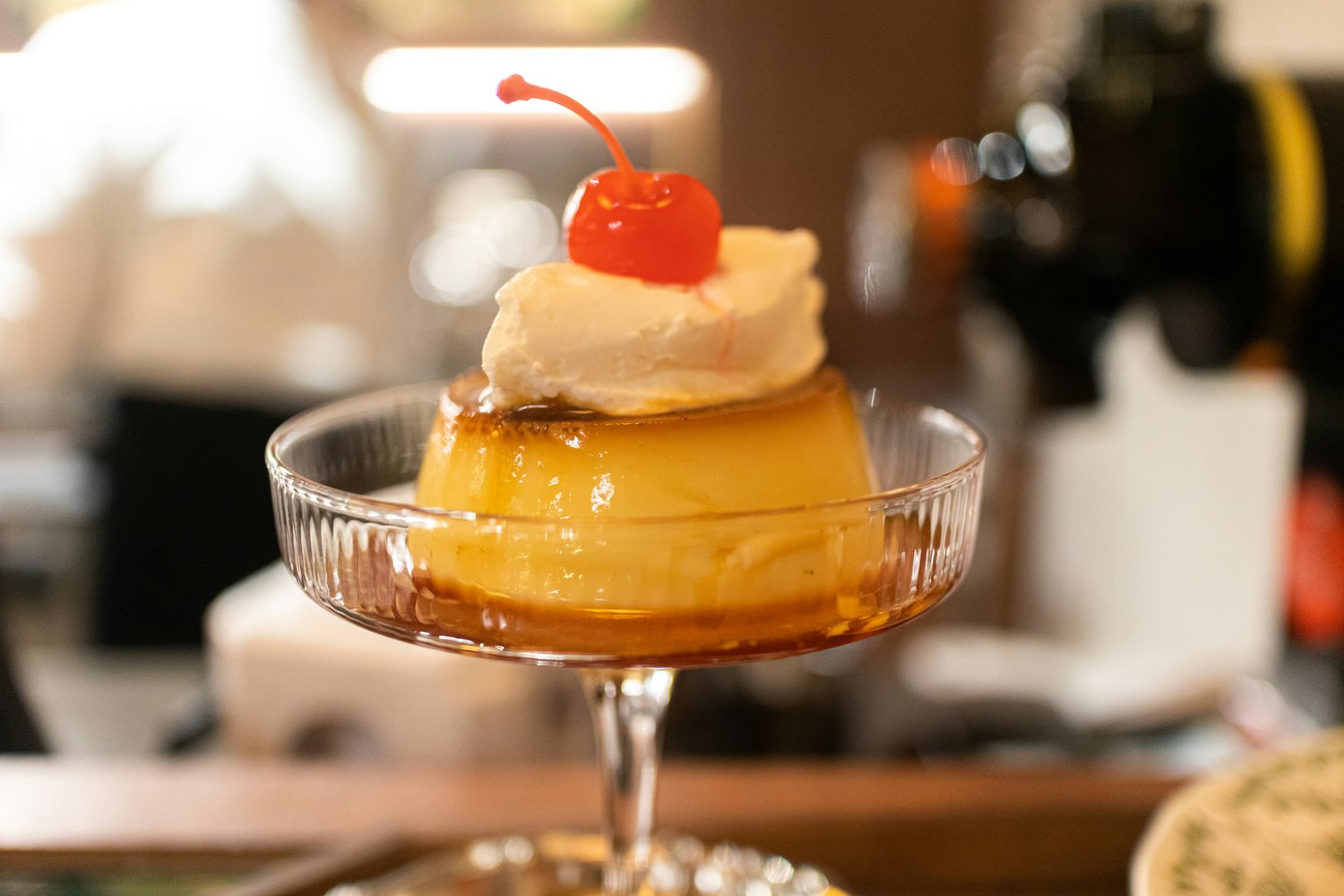
A defining feature of the Japanese Purin is the presence of a caramel layer, a component that is generally absent from standard American pudding.
In Japan, a bittersweet caramel liquid is placed at the bottom of the vessel before the custard base is added. During the cooking process, the caramel remains distinct. When the dessert is served, it is often inverted onto a plate, allowing the amber-colored syrup to coat the top and sides. In the American tradition, flavorings such as chocolate or vanilla are typically folded directly into the cream mixture, resulting in a consistent flavor profile throughout.
Variations in Regional Availability
For the business traveler, these items occupy different spaces in the market. In the U.S., pudding is frequently found in shelf-stable, pre-packaged cups, serving as a quick snack or a side in a lunchbox. In Japan, while "Purin" is a staple in convenience stores, it is also treated as a craft item. Specialized shops may adjust the egg-to-milk ratio or the cooking time to create "firm" (katame) or "smooth" (nameraka) varieties, tailoring the experience to specific consumer preferences.
The Silent Language of Comfort
Interestingly, the Japanese word purin itself evolved from a loanword for "pudding," yet its form and meaning have become uniquely Japanese. This linguistic evolution mirrors the culinary one: a global concept adapted through local precision.
While the technical distinction between a starch-thickened cream and an egg-stabilized gel might appear as a minor culinary detail, it represents a significant divergence in cultural preferences.
These structural variations are not accidental; they are a reflection of how different societies define "comfort" and "quality." Understanding these subtle shifts is essential for any organization looking to resonate with a local audience while maintaining a global identity.
No matter where a person is in the world, the desire for a moment of sweetness remains a universal constant. Whether it is the creamy, cooling swirl of an American pudding after a long day in the office, or the elegant, resilient jiggle of a Japanese Purin found in a quiet Tokyo cafe, these desserts serve the same fundamental purpose. They provide a brief, silent pause in a fast-paced world.
The textures may differ and the ingredients may change, but the intention behind them is identical: a small, crafted gesture of care. In the end, these desserts remind us that while our methods and terminologies may vary across borders, our shared need for comfort and the simple joy of a meal well-made is what truly connects us.