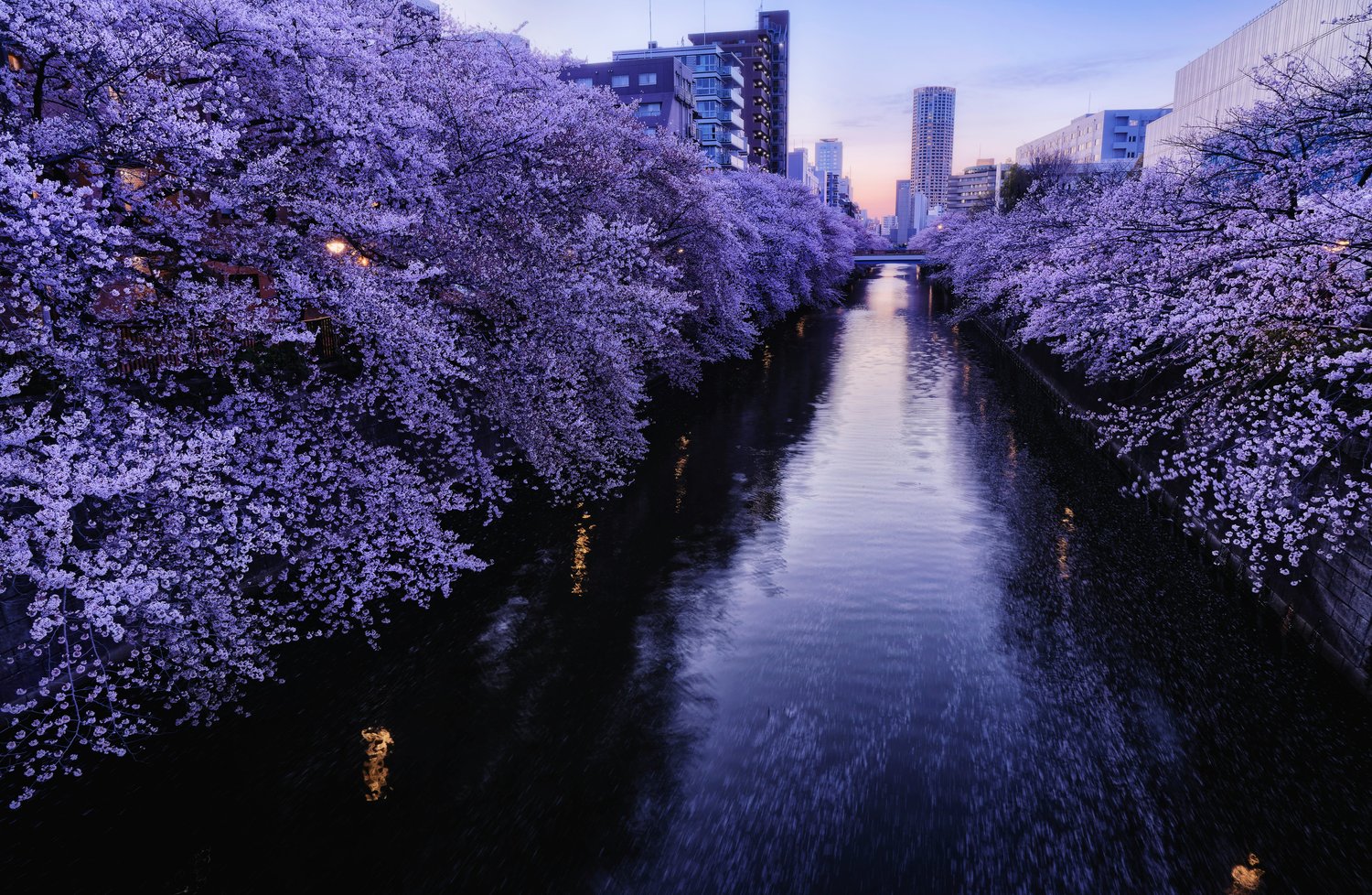
In Japan, the arrival of spring is synonymous with Hanami; the tradition of cherry blossom viewing. For many international professionals, the sight of crowds gathered under pink petals may seem like a quintessential image of Japanese corporate life. However, the reality of Hanami has undergone a significant transformation over the last decade.
In 2026, Hanami reflects a more flexible, individual-oriented society. Let’s explore how this tradition has evolved and what it means for the modern business landscape.
1. From "Corporate Event" to "Personal Choice"
In the past, Hanami was frequently organized as a formal team-building event. During the 1990s and 2000s, it was common for companies to assign junior employees the task of arriving at parks early in the morning to secure space with blue tarps, a standard logistical part of office event planning at the time.
In 2026, the approach to Hanami has shifted toward a more voluntary and streamlined model:
- Prioritizing Private Time: There is a growing trend of separating professional and private life. Some professionals may prefer to view the blossoms with family or close friends on their own terms, rather than participating in large-scale office gatherings.
- The Emergence of Indoor & Catered Options: To reduce the logistical burden on staff, some organizations may host "In-office Hanami." Utilizing seasonal catering services such as specialized sushi or bento deliveries can allow teams to acknowledge the season in a convenient, time-efficient manner within the workplace.
- Flexible Participation: Instead of mandatory evening parties, modern Hanami may take the form of optional lunch-hour walks or brief, casual gatherings that respect diverse working styles and individual schedules.
2. Sophistication of Public Spaces
The way public parks are managed during this season also reveals interesting cultural nuances compared to Western "active" park cultures (such as BBQ or sports).
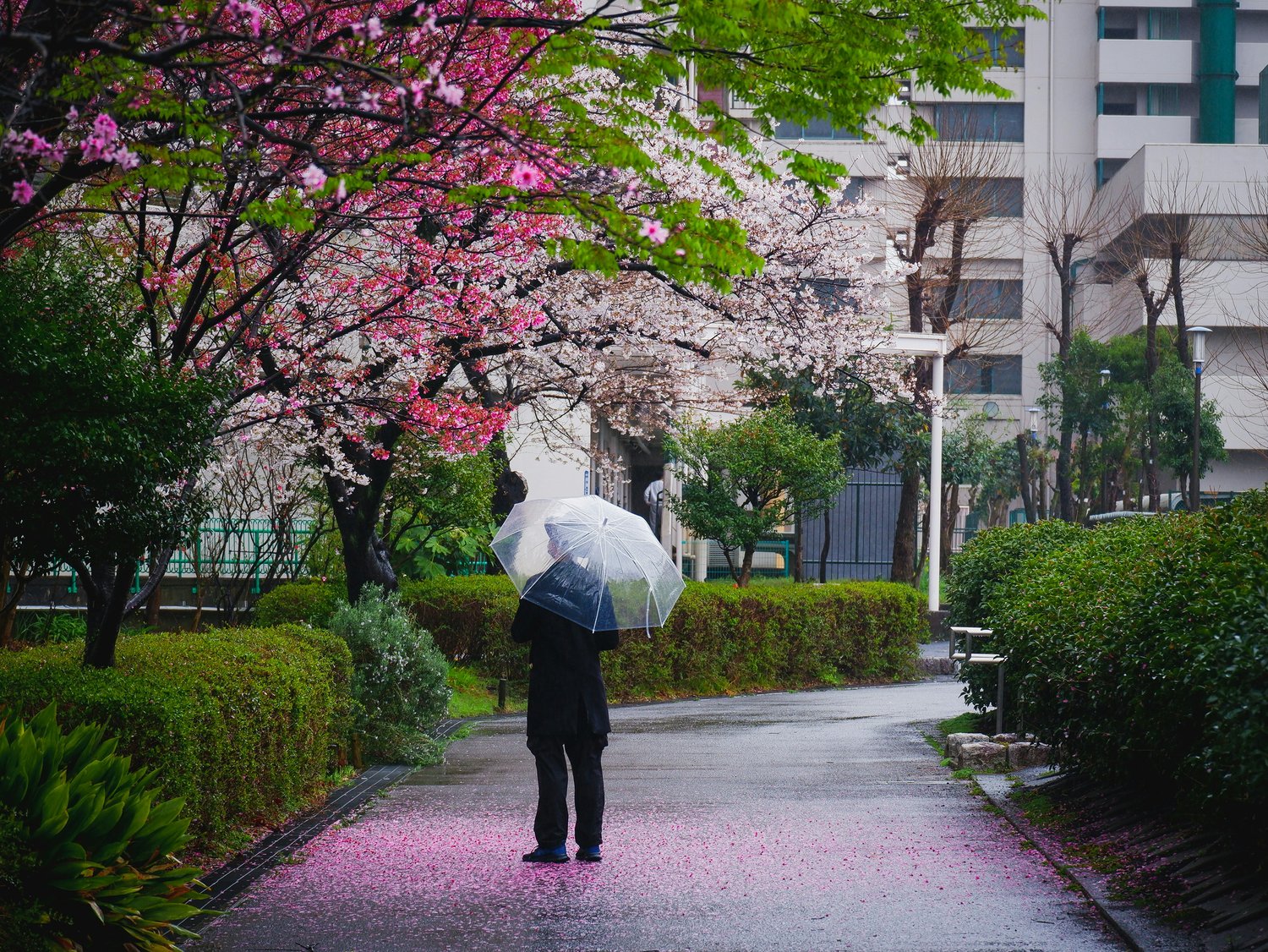
- The Aesthetics of "Passive Viewing": While American park culture often involves high-energy activities, Japanese Hanami is rooted in the quiet appreciation of the scenery. This emphasizes harmony with the environment and respect for fellow viewers.
- Digitalization and Planning: To manage crowds, many popular areas now utilize digital reservation systems. The era of "first-come, first-served" competition has largely evolved into a more organized, planned leisure experience, reflecting Japan's high standards for public order.
3. A Powerful Business "Conversation Starter"
The blooming period of the cherry blossoms (Sakura) is notoriously short; full bloom typically lasts only about a week. During this time, people in Japan are highly attentive to the "Sakura Forecast," checking daily news reports that track the "Cherry Blossom Front" as it moves across the country. This collective focus makes the weather and the blossoms a powerful communication tool:
- The Ultimate Icebreaker: Regardless of one's role, background, or nationality, the status of the blossoms is a universal topic. In a business context, mentioning the season is a sophisticated way to ease into a conversation without intruding on personal privacy.
- Shared Experience: Just as "experience-based" networking is valued in the US, sharing the appreciation of a fleeting natural event creates a sense of mutual understanding. It bridges the gap between colleagues and clients through a shared moment in time.
4. Practical Advice: The "Hana-bie" Risk
A veteran professional in Japan knows the term Hana-bie (flower chill). Despite the warm sun during the day, temperatures drop sharply at night during the blooming season. If you are inviting a colleague or client for a walk, a simple tip like, "It might get chilly this evening, so you may want to bring a jacket," is a modern form of hospitality that builds professional rapport and trust.
Tips for Success: Professional Ways to Mention the Season
If you're working with Japanese partners this week, mentioning the season can be a great way to build rapport. Here are some professional ways to do it:
- In a Business Email (Standard Greeting): "As the cherry blossom season begins in Japan, I hope you are having a pleasant spring. I look forward to our meeting next week."
- During a Meeting Intro (Small Talk): "The cherry blossoms are starting to look beautiful in Tokyo. It's a nice change of season, isn't it?"
- To a Close Team Member (Casual): "I noticed the cherry blossoms are starting to bloom near the station. Are they looking good near your office as well?"
Conclusion
In 2026, Hanami has moved away from being a "corporate obligation" and emerged as a sophisticated social event centered on individual well-being and light networking.
If you have the chance to see the blossoms in Japan, take a moment to observe the atmosphere. You will see a society that cherishes its deep-rooted traditions while gracefully adapting them to a modern, global lifestyle. The blossoms remind us that while forms may change, the value of pausing to appreciate a shared moment remains constant.